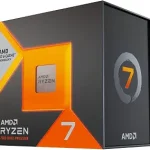
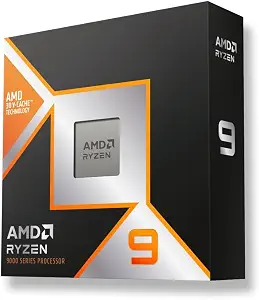
 Check Price on Amazon
AMD Ryzen 9 9900X3D 12-Core Processor Buying Guide — Black Friday Deals 2026
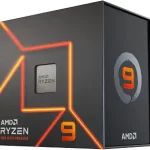
Choosing a processor for a Black Friday PC build is easier when you begin with the work the system needs to accommodate, then check whether the listed specifications fit your plans. The AMD Ryzen 9 9900X3D is identified as a 12-core processor with 24 concurrent threads, a processor speed of 4.4 GHz, and Socket AM5. Those details provide useful points for comparing it with other options, but they do not establish how it will perform in a particular computer or whether it is the right value at a specific price.
Treat Black Friday as a chance to compare the exact processor listing and your full build requirements, not as proof that a particular deal is worthwhile. Check the item variant, the displayed price, and the specifications before deciding. This guide focuses on what the supplied details can tell you, where they leave questions open, and how to make a careful shortlist.
The AMD Ryzen 9 9900X3D has a clear identity on the listing: a 12-core processor with 24 concurrent threads, a 4.4 GHz processor speed, and Socket AM5. For a shopper choosing parts, those labels can help organize the decision. Core and thread counts describe the processor’s listed configuration; the speed is a separate specification. They are useful comparison points, not a promise of a particular result in games, creative applications, or everyday tasks. Consider the applications you expect to use and look for the information those applications require before treating any one figure as decisive.
The cache details also deserve a careful read. The listing gives secondary cache as 12 MB and installed cache as 140 MB. Keep those labels attached to their respective figures rather than combining them or assuming they describe the same measure. The listed wattage is 120 watts, which is a practical item to include in system planning. Check that figure alongside the rest of your build’s requirements, using the relevant component documentation rather than assuming this processor’s listing answers every power or cooling question.
This processor earns the editorial label Best for shoppers comparing a 12-core, 24-thread configuration. That label is based only on the listed core and thread counts; it is not a claim of measured superiority or a guarantee that those counts match every workload. During Black Friday shopping, compare the exact model and its listed specifications with the requirements for your planned setup. If the price changes, assess the current listing on its own terms: no supplied information establishes a promotion, discount, stock position, or performance result.
Key specs
| Processor speed | 4.4 GHz |
| Socket | Socket AM5 |
| Secondary cache | 12 MB |
| Wattage | 120 watts |
| Installed cache | 140 MB |
| Concurrent threads | 24 |
| Processor cores | 12 |
Use your workload as the first filter
Before comparing prices, make a short list of the applications and tasks that matter to you. The Ryzen 9 9900X3D’s 12 cores and 24 concurrent threads give you concrete configuration details to compare against software requirements and other processors you are considering. They do not, by themselves, show how quickly a specific task will finish. Look for application-specific requirements and independent information relevant to your intended use, rather than translating a core count into a performance guarantee.
This approach is especially useful during Black Friday, when several product listings may compete for attention. Decide which requirements are essential before browsing, then use the processor’s exact model name and listed specifications to keep comparisons consistent. If your plans include a mix of activities, write down which ones matter most instead of assuming one specification captures them all. That makes it easier to decide whether this configuration belongs on your shortlist without treating a seasonal offer as a reason to change your needs.
Check the AM5 socket against the rest of the build
Socket AM5 is an important fit-check detail for this processor. Before placing an order, verify that the motherboard you plan to use supports the processor and Socket AM5, and consult the board’s own documentation for the specific compatibility information you need. The socket label is a useful starting point, but it does not confirm every board-level requirement or establish that an existing system is ready for this part.
For a Black Friday build, compare the exact processor model with your intended motherboard before evaluating the cart total. If you are replacing a component, check the actual model names rather than relying on memory or a broad description of the system. When the relevant compatibility information is unclear, pause and confirm it through the component documentation. A careful fit check can prevent a purchase decision from resting on a socket assumption alone.
Keep the speed and cache labels distinct
The product listing identifies a processor speed of 4.4 GHz. Preserve that label when comparing processors: the supplied information does not specify additional speed conditions or describe application performance. Treat it as one listing detail among several, and look for further information that directly addresses the work you care about before drawing conclusions.
Likewise, the listing’s cache entries use different labels: secondary cache is 12 MB, while installed cache is 140 MB. They should remain separate in your notes and in any comparison. Do not add them together or substitute one for the other. Black Friday pages can place specifications beside pricing and promotional language, so check that each figure belongs to the exact model under consideration. If a listing uses different wording, compare like-labeled details where possible rather than assuming the figures are interchangeable.
Include the wattage in system planning
The listed wattage for the Ryzen 9 9900X3D is 120 watts. Use that as a planning detail and review the needs of the complete computer, including the requirements stated for its other components. The figure alone does not specify what power supply or cooling solution your particular build requires, so do not use it as a substitute for checking component guidance.
This check matters during Black Friday because a processor price is only one part of a build decision. Compare the exact offer with the other components you intend to use, and make sure you have reliable information for the complete configuration. If the system plan is not settled, consider waiting to confirm the component fit and supporting requirements rather than allowing a displayed deal to set the pace. The goal is a coherent build, not simply a low-looking processor price.
Compare the exact Black Friday listing
When checking a Black Friday listing, confirm that its model name is AMD Ryzen 9 9900X3D and that the item details match the specifications you mean to compare. Review the current displayed price and the exact variant before deciding whether the offer fits your budget. No price, discount, promotion, or availability information is provided here, so the value judgment has to come from the listing you are actually considering and your own alternatives.
It can help to keep a small comparison note with the processor name, socket, core and thread counts, speed, cache labels, and wattage. Use the same categories for each option, and mark any missing information as something to verify rather than filling it in by assumption. A Black Friday price should be considered alongside the rest of your build costs and your requirements. If the listing or variant changes, repeat the check instead of carrying a conclusion over from a different product page.
Make your Black Friday choice
The AMD Ryzen 9 9900X3D gives shoppers several concrete details to evaluate: Socket AM5, a 12-core and 24-thread configuration, a 4.4 GHz processor speed, cache figures with distinct labels, and listed wattage of 120 watts. Match those facts to your software, motherboard, and system plan, then compare the exact listing with alternatives. Black Friday can be a useful time to review options, but the right decision depends on fit and the current offer—not the season alone.