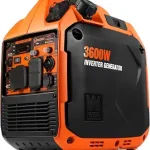
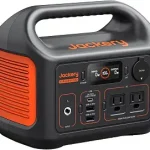
EF ECOFLOW Solar Generator Delta 3 Classic with 220W Solar Panel, 1024Wh (ASIN B0FRMQPZF6)
Best Solar Generator Buying Guide — Black Friday Deals 2026
A solar generator can be a compact way to keep selected electronics powered, or a larger battery-and-panel setup for more demanding backup plans. The right choice depends on the equipment you expect to connect, its power requirements, and how you intend to recharge. These options range from a 292Wh unit with a 40W panel to 1024Wh systems paired with larger panels, so compare the whole configuration rather than capacity alone.
For Black Friday shopping, treat the listed bundle and its exact specifications as the starting point—not a promise of a particular promotion. Check that the product variant, included panel, and features shown in the offer match the setup you want. A deal is useful only if its output, ports, and recharging arrangement suit your own plans.
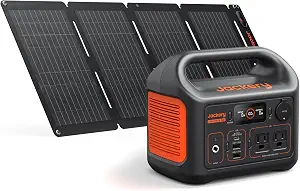
Jackery Solar Generator 300 and 40W Solar Panel (ASIN B0G429L5B4)
This compact Jackery package pairs a 292Wh power station with a 40W solar panel. Its 300W rated AC output and 600W peak surge make it a sensible option to consider for smaller loads, such as charging personal electronics or powering a device whose stated requirements fit the station’s output. Check each device’s label before choosing; the peak figure should not be treated as the rated output available for ordinary planning.
The port selection gives the setup several ways to connect equipment: two AC outlets, a 100W USB-C PD port, two USB-A ports, and a 120W car port. That mix may help when a plan involves different kinds of devices, but count the connections you will actually need and confirm their power requirements. LiFePO4 chemistry is another stated feature to weigh when comparing battery options. The included panel is 40W, so consider whether that panel arrangement fits your intended recharging routine rather than assuming it will serve every schedule.
Its Best Budget designation is an editorial choice based on the more compact 292Wh capacity and 300W rated output in this selection—not a statement about price or a Black Friday discount. It may suit shoppers who want a smaller-capacity setup and do not need the higher listed AC outputs of the other choices. Before buying during Black Friday, verify that the exact offer is for this package with the 40W panel, then compare its ports and rated output against the equipment you plan to use. If your devices call for more output or longer periods of use, consider whether a larger-capacity option better fits the plan.
Key specs
Capacity and AC output
292Wh,300W AC
Ports
2 AC outlets, a 100W USB-C PD port, 2 USB-A ports, and a 120W car port.
Rated and peak output
300W rated output (600W peak surge)
Battery chemistry
LiFePO4 chemistry
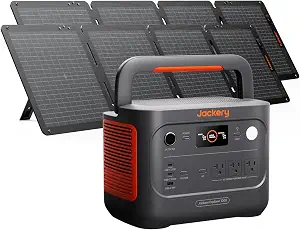
Jackery Solar Generator 1000 v2 and 2x100W Solar Panel,1024Wh LiFePO4
Jackery Solar Generator 1000 v2 and 2x100W Solar Panel,1024Wh LiFePO4 (ASIN B0D66VD3X4)
This 1024Wh Jackery package combines a power station with two 100W solar panels. Its stated AC output is 1,500W, with a 3,000W surge peak, giving shoppers a higher-output option to assess for equipment with suitable power requirements. The capacity and output answer different questions: capacity concerns stored energy, while output concerns what connected equipment requires at a given time. Check both against the devices and duration you have in mind.
A 10ms UPS switchover is a notable listed feature for someone considering backup arrangements for equipment that needs a quick transition. Do not assume that any particular device is suitable; confirm its own backup requirements and whether this unit’s stated feature meets them. At 23.37 Lbs, weight is worth considering as part of where you expect to keep or move the station. The included two 100W panels are part of the bundle, so verify that the offer you are viewing includes those panels rather than relying on a general product title or a similar-looking listing.
The Best Overall label is an editorial selection within these featured options, reflecting the combination of 1024Wh capacity, 1,500W AC output, two included panels, and the stated UPS switchover. It is not a claim of tested superiority or a market-wide award. For Black Friday, compare the exact package details and variant with your checklist, including the panel count and the power needs of your intended devices. If portability matters most, factor in the stated weight; if your plans center on smaller loads, compare whether this larger-capacity configuration is necessary for your use.
Key specs
Capacity
1024Wh
AC output
1,500W AC output
Surge output
3,000W surge peak
UPS switchover
10ms UPS switchover
Weight
23.37 Lbs
Included solar panels
2 * 100W Solar Panels
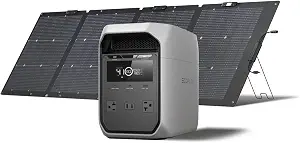
EF ECOFLOW Solar Generator Delta 3 Classic with 220W Solar Panel, 1024Wh
EF ECOFLOW Solar Generator Delta 3 Classic with 220W Solar Panel, 1024Wh (ASIN B0FRMQPZF6)
This EcoFlow bundle pairs a 1024Wh station with a 220W bifacial solar panel. Its listed output is 1800W, with a 3600W surge, and it also has 100W USB-C output. Those details make it an option to examine when your intended equipment calls for more AC output than the compact choice provides. Confirm the input requirements for each device and use the rated output, rather than the surge figure, as your planning reference.
The station uses a LiFePO4 battery, and the listing says it can recharge in just 5.8 hours with a 220W solar panel. The bundle includes a 220W bifacial panel, so the stated recharge detail is directly relevant to the package; it should not be read as a guarantee for every setup or circumstance. Its UPS feature automatically switches to battery in under 10ms. If you are considering that for backup, check the needs of the equipment you want to connect instead of assuming a transfer time alone settles compatibility.
The Best for Higher AC Output designation reflects the listed 1800W output, not a comparative test or a claim about every device. That makes this a useful package to consider when output capacity is a central decision, while its 1024Wh capacity and included panel also deserve attention. During Black Friday, inspect the exact listing and bundle: confirm the 220W bifacial panel and the specifications shown for the selected variant. Compare the stated recharge detail with your expectations, and choose this configuration only if its output, capacity, and connection needs fit your intended use.
Key specs
Output
1800W output (3600W surge)
USB-C output
100W USB-C Output
Battery
LiFePO4 Battery
UPS transfer
automatically switches to battery in under 10ms
Solar recharging
Recharge in just 5.8 hours with a 220W solar panel.
Solar panel
220W bifacial solar panel
Begin with the loads, not the package size
Write down the devices you want to run and check their stated power requirements before browsing offers. The 292Wh option lists 300W rated AC output and 600W peak surge; the larger-capacity choices list 1,500W and 1800W output, respectively. Those figures help narrow the field, but they do not tell you how long a particular device will run. Capacity and output are separate considerations, and the equipment’s own requirements determine whether a station is suitable.
Separate occasional charging from sustained operation in your plan. A phone, laptop, or other personal device may have different input needs from equipment intended to run continuously; do not assume a product will handle a load without checking its requirements. Consider which items are essential during an outage or outdoor use, and which can wait. That distinction can keep you from paying attention to a headline output figure while overlooking the amount of stored energy you want available.
For Black Friday, use this device list to compare the exact offer rather than choosing by a large-looking number. Confirm the model variant, its stated rated output, and capacity in the listing. Treat a surge figure as a separate specification, not a replacement for rated output. If the gear you plan to connect needs more than a station’s stated output, the bundle is not the right match merely because it includes a solar panel.
Think through where stored energy fits your routine
Capacity is most useful when considered alongside the way you expect to use a generator. The 292Wh unit is the smaller-capacity choice here; both larger models list 1024Wh. That difference can help frame whether you want a compact setup for selected electronics or more stored energy for a broader backup plan. It does not, by itself, establish an exact runtime. Actual use depends on the connected equipment and how it is used, so avoid treating capacity as a promise of hours for an unspecified device.
Map out a realistic session: which items need power, whether they run together, and when you could recharge. If the plan changes between home backup and travel, make a separate list for each setting. Then look at the AC output and ports alongside capacity. This approach is more useful than buying on capacity alone, since a battery may store energy for your plan while its available output or connections still do not match what you intend to plug in.
Black Friday listings can make a bundle look attractive before you have settled on a use case. Pause to compare its exact capacity with your plan, then ask whether you need the included panel and the station’s listed output. A smaller setup may be enough for a limited set of devices; a larger one may be more appropriate for a different set of needs. Neither choice is automatically better without knowing what you intend to power.
Read the panel bundle as part of the decision
Panel details vary across these packages: one includes a 40W panel, another includes two 100W panels, and the EcoFlow bundle includes a 220W bifacial panel. That is a concrete distinction to check when comparing offers. A panel included in a bundle is not merely a box detail; it is part of the recharging arrangement you are choosing. Consider whether the listed panel configuration is the one you want, and verify that the exact variant being offered includes it.
The EcoFlow listing states recharge in just 5.8 hours with a 220W solar panel. Keep that qualification attached to the claim when evaluating it; it is not a universal promise for every setup or circumstance. For the other bundles, the available records identify their included panels but do not provide a recharge-time figure. Do not fill that gap with an assumption. If recharge timing is important, rely only on information provided for the exact product and conditions relevant to your plan.
Before a Black Friday purchase, compare the panel named in the listing with the bundle description and the selected variant. Check whether the package includes the panel arrangement you expect instead of assuming that all versions of a station are bundled identically. Also think about how you would use the panel in your intended setting. A bundle makes sense when its stated components fit your routine, not simply because the word solar appears in the product name.
Match ports and backup behavior to actual equipment
Connections can shape daily usefulness as much as output. The compact Jackery lists two AC outlets, a 100W USB-C PD port, two USB-A ports, and a 120W car port. The EcoFlow lists 100W USB-C output. These details help you check whether the devices you plan to connect have an appropriate connection, but do not assume a port will meet a device’s needs without confirming its requirements. Also consider which items need to run at the same time.
The two 1024Wh models both list a UPS-related feature, with the Jackery specifying 10ms UPS switchover and the EcoFlow stating that it automatically switches to battery in under 10ms. Those details may matter when planning backup for equipment that needs a transition, but they do not establish that every device will work as intended. Check the requirements of the equipment and determine whether the stated switchover detail fits your use. Keep the distinction between a stated feature and a confirmed match clear.
During Black Friday comparisons, inspect the specifications for the exact model and variant rather than assuming similar product names mean identical connections or backup behavior. Think about cable and port needs before checkout, and make a short list of what must remain powered. If a setup depends on particular output or a quick transfer, verify that requirement against the listed details and your device documentation. The practical match matters more than a broad promise of convenience.
Use Black Friday listings as a verification exercise
A Black Friday label does not tell you which bundle is right, and these records do not establish that any specific promotion is active. Treat the offer page as something to verify: check the product variant, capacity, output, panel inclusion, and any listed feature important to your plan. Do not infer that a displayed offer includes the same accessories as another version, or that a similar model name guarantees the same specifications.
Compare like with like by noting the exact station and panel arrangement shown. Then return to your equipment list and decide whether the capacity and output suit those loads. For the Jackery 300 package, verify the 40W panel; for the 1024Wh Jackery, verify the two 100W panels; for the EcoFlow bundle, verify the 220W bifacial panel. These checks keep the decision anchored to the actual offer rather than a general description.
Finally, separate the value of the product configuration from any claimed savings. No price or discount is established here, so compare the offer shown to you without assuming a particular deal. Check the seller’s displayed terms and the exact listing details before proceeding, and make your decision on features you can confirm. A careful Black Friday comparison can help prevent a mismatch between what you intended to buy and the bundle selected.
Make your Black Friday choice
Choose by working from your equipment and routine outward: confirm the loads, decide how much stored energy and output you need, then compare ports, backup details, and panel bundles. The compact option emphasizes a smaller capacity, while the two 1024Wh packages provide different listed outputs and panel configurations. For Black Friday, verify the exact variant and offer rather than assuming a promotion or bundle detail. The best fit is the configuration whose stated features align with your own plan.