LHKNL Headlamp Flashlight
Lightweight Hydration Backpack, Running Backpack with 2L Water Bladder
Best Hiking Gear Buying Guide — Black Friday Deals 2026
Hiking gear is most useful when it answers a specific need on your route, rather than simply adding another item to a pack. These picks cover three different jobs: carrying water, lighting the way, and keeping first-aid supplies together. Their listed details can help narrow the field, but they do not establish whether a product suits every hike or hiker. For Black Friday, compare the exact item and configuration shown in the listing with the features you actually want; no seasonal label alone tells you whether an offer is worthwhile. The guide below explains where each product may fit and what to check before choosing.
Mini First Aid Kit
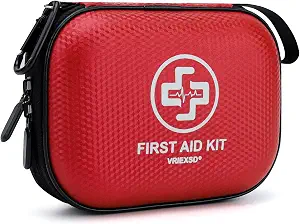
The Mini First Aid Kit is the Best Budget selection in this guide, an editorial label rather than a statement about its current price. Its listing describes 150+ essential supplies and names bandages, gloves, povidone-iodine prep pads, metal tweezers, a tourniquet, and more. That mix may make it worth considering for someone who wants a collection of first-aid items in one case, rather than assembling those listed contents separately. The supplied facts do not establish that every item suits every person or emergency, so consider your own needs and check the listing for the contents that matter most to you.
The case is made of waterproof EVA material, and each inner sleeve is categorized for easy access. Those details give a shopper two practical points to assess: the case material and the way the contents are grouped. Its stated dimensions are Product Dimensions : 6.49 x 4.92 x 2.76 inches, and the listed weight is 10.93 ounces. Compare those exact measurements with the space and weight you are prepared to allocate in your pack. The kit also includes bonus carabiners, although the provided information does not specify how or where a hiker should attach the case.
For Black Friday, compare the exact listing and included configuration rather than judging the kit by its name or an assumed promotion. Check whether the described selection of supplies, categorized sleeves, case material, dimensions, and weight match what you want to carry. A first-aid kit is a planning choice, not a substitute for knowing how to use its contents or deciding what your outing requires. The Best Budget label highlights this as the guide’s value-oriented editorial pick; it does not promise a low price, a discount, or a particular saving. If you already have specific supplies in mind, use the named items as a checklist and decide whether this kit’s stated contents and size suit your plans.
Key specs
| Supply count | 150+ essential supplies |
| Included items | a variety of bandages, gloves, povidone-iodine prep pads, metal tweezers, a tourniquet, and more |
| Dimensions | Product Dimensions : 6.49 x 4.92 x 2.76 inches |
| Weight | 10.93 ounces |
| Case material | waterproof EVA material |
| Organization | each inner sleeve categorized for easy access |
| Accessories | bonus carabiners |
LHKNL Headlamp Flashlight
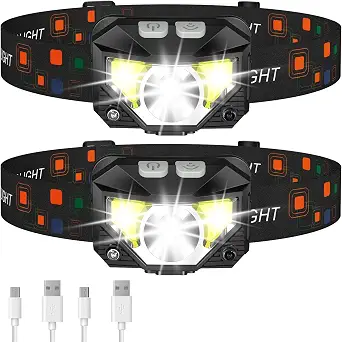
The LHKNL Headlamp Flashlight earns the Best Overall label among these selections as an editorial choice: its listed package combines two headlamps with two USB-C cables, and its features address several common lighting decisions. A lamp head that rotates 60° can be angled toward a nearby task or the path ahead. The product lists eight lighting modes, giving shoppers a set of options to consider rather than a single stated mode. For a hike that may extend into lower light, wearing a headlamp can leave hands available for ordinary tasks, though this listing alone cannot tell you which mode or setup will work best for your route.
Its listed weight is 1.87 OZ, and its IPX4 waterproof rate is a useful detail to weigh if you are comparing lights for outings where exposure to water is a consideration. The stated runtime is 4-10 hours when fully charged. Treat that range as a listed specification, not a guarantee for every mode or situation: the provided details do not break runtime down by mode. Before heading out, consider how the stated runtime relates to your planned use, and whether you have a practical way to manage charging. The included USB-C cables are part of the pack contents, but the facts here do not specify other charging details.
For Black Friday, check that the listing you are considering is for the same LHKNL configuration, including the two-headlamp pack and two cables. Compare the listed features with your needs instead of assuming a seasonal deal makes this the right light. Its combination of adjustable lamp direction, multiple modes, stated water-resistance rating, and runtime gives it a broad set of details to assess, while your priorities determine which matter. The Best Overall label means only that this guide selects it for a general-purpose role among these three products; it is not a claim of measured superiority or a market-wide award. If a route makes lighting your central concern, use the product listing to confirm the configuration before deciding.
Key specs
| Pack contents | 2×Headlamp |
| Included cables | 2×Usb-C Cable |
| Weight | 1.87 OZ |
| Pivot | lamp head can be rotated 60° |
| Lighting modes | 8 lighting modes |
| Water resistance | IPX4 waterproof rate |
| Runtime | Last for 4-10 hours when fully charged |
Lightweight Hydration Backpack, Running Backpack with 2L Water Bladder
Check Price on Amazon
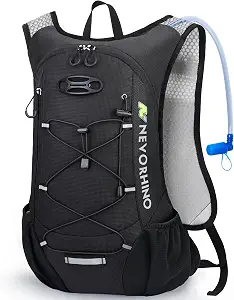
The Lightweight Hydration Backpack, Running Backpack with 2L Water Bladder is the Best for Hydration-Focused Day Hikes choice here. That label reflects its listed 2 L water bladder and 12-liter capacity, not a claim that it is right for every hike. For a shopper whose first question is how to carry water, those are the most directly relevant facts to start with. The backpack weighs 8.5 ounces, and its dimensions are 11.8″W x 16.5″H. Considering those details together can help you decide whether the stated pack size, weight, and bladder capacity align with the way you plan to carry gear.
The product also lists a soft air mesh back. If you are comparing packs, that is a specific construction detail to weigh alongside capacity and dimensions, rather than a promise about comfort in every situation. The product name identifies it as a running backpack, while the supplied details do not spell out other storage arrangements or adjustment features. Avoid assuming those details from the name: check the exact listing if another feature is important to your decision. Think through what else you want to bring on a day hike, then consider whether a 12-liter pack is appropriate for your intended load.
During Black Friday shopping, verify the exact backpack and bladder configuration in the listing and compare it with the trip you have in mind. Its 2 L bladder is a clear point of distinction, but the right amount of water to carry depends on individual plans and circumstances; the listing does not determine your needs. Likewise, the stated 12-liter capacity is useful for comparison, not proof that all your other gear will fit. The Best for Hydration-Focused Day Hikes label is a guide-specific recommendation grounded in the supplied bladder and capacity details. If hydration is not the main reason you are shopping, compare those facts with the headlamp and first-aid kit instead of treating one product as a complete hiking setup.
Key specs
| Capacity | Capacity 12 liters |
| Weight | Item Weight 8.5 ounces |
| Water bladder | 2 L water bladder |
| Dimensions | 11.8″W x 16.5″H |
| Back panel | Soft air mesh back |
Choose a shortlist by the job each item does
Start with the gap you are trying to address on your outings. If you want a way to carry water, the backpack’s stated bladder and capacity are central; if you want a light, compare the headlamp’s modes, pivot, and runtime; if you want first-aid supplies together, review the kit’s named contents and organization. These products serve different purposes, so comparing them as though one must replace another will not help you choose. A short list based on use can keep a Black Friday search focused and make it easier to ignore features that do not affect your decision.
Next, describe your likely use in practical terms: what you expect to carry, when you may need light, or what supplies you prefer to have available. Those are planning prompts, not assumptions about what every hike requires. The records provide product details, but they do not prescribe a route-specific packing list or establish how any item will perform for your circumstances. Use the facts to screen options, then check the exact listing for anything important that is not covered here. If a feature is central to your choice and its details are unclear, do not fill the gap with a guess.
This approach also makes seasonal browsing calmer. Black Friday headlines may draw attention to an item, but your shortlist should still be based on the role it needs to fill. For example, decide whether a listed 2 L bladder is relevant before weighing a pack’s other details, or whether an IPX4 rating is a feature you want to consider for a light. Keep separate notes for must-haves and preferences. That way, a tempting offer does not turn an unrelated product into a useful purchase.
Read dimensions, weight, and capacity in context
Numbers are most useful when compared with your own packing plan. The first-aid kit lists dimensions as Product Dimensions : 6.49 x 4.92 x 2.76 inches and a weight of 10.93 ounces; the hydration backpack lists 11.8″W x 16.5″H, 12 liters of capacity, and a weight of 8.5 ounces. These measurements describe different things, so do not treat them as directly interchangeable. Think about where an item would go and what you already carry, then decide which measurements matter. The listed figures can inform that check, but cannot confirm how a particular load will fit.
The headlamp’s stated weight is 1.87 OZ. That may be useful to include in your own gear comparison, but the available facts do not provide a weight for each component separately or explain how it feels to wear. Similarly, the backpack’s capacity does not say how much of that space you will need for a particular outing. Avoid turning a single specification into a general promise about convenience. Instead, compare the exact values with your preferences and the space available in your setup.
For Black Friday, keep a note of the specification you are checking while you browse. Product names and seasonal presentation can look similar across listings, so confirm that the selected configuration matches the facts you want to compare. Do not infer that a different size, bundle, or included item is equivalent unless the listing says so. The aim is not to collect the biggest numbers, but to make sure the selected product’s stated dimensions, weight, or capacity serve a real purpose for you.
Compare Black Friday listings by what is included
A useful offer comparison begins with the exact contents, not a headline or an assumed discount. The headlamp listing specifies two headlamps and two USB-C cables. The first-aid kit names several kinds of supplies and says it contains 150+ essential supplies. The hydration backpack listing identifies a 2 L water bladder. When shopping on Black Friday, confirm that the item or bundle you are viewing matches the configuration you intend to buy. The provided details do not establish current prices, promotions, or stock, so compare the offer shown to you rather than relying on a seasonal label.
Make a small checklist of the facts that would change your decision. For the light, that could include the stated pivot, modes, water-resistance rating, or runtime. For the kit, it could be particular named supplies, categorized inner sleeves, or the case material. For the pack, it might be the bladder, capacity, dimensions, and soft air mesh back. Not every feature needs to matter equally. Marking what is essential and what is merely nice to have can prevent a long list of specifications from obscuring the reason you started shopping.
Treat bundle language carefully. A listed cable or accessory is a useful detail to confirm, but it does not answer every question about setup or use. If a listing differs from the configuration described here, use the details shown for the exact item you are considering and make your comparison on that basis. Black Friday can be a reason to review a purchase, but it is not evidence that an offer is unusually good or that a product fits your needs. Make the decision from verifiable terms and relevant features.
Decide which specifications deserve priority
A specification matters when it changes how you expect to use an item. For the headlamp, the 60° pivot and eight lighting modes may be more relevant to some shoppers than its listed runtime, while others may put the stated IPX4 waterproof rate first. The supplied runtime is 4-10 hours when fully charged, but no mode-by-mode breakdown is provided. Read that range as a product detail with limits, not a guarantee for every setting or outing. If runtime is decisive for you, seek clarity from the exact listing before making a choice.
For the first-aid kit, the number of supplies and the named contents are not the whole decision. Its categorized sleeves, waterproof EVA case material, dimensions, and weight may also shape whether you want to carry it. The facts do not describe individual item quantities or establish which supplies are right for every hiker. For the backpack, a 2 L bladder and 12-liter capacity provide a starting point, while the stated dimensions and weight help frame the pack comparison. None of those details alone determines how much water or equipment you should bring.
This is where an editorial label can help without replacing your judgment. Best Overall identifies the headlamp as the general-purpose pick in this guide; Best Budget identifies the first-aid kit as the value-oriented editorial choice; and Best for Hydration-Focused Day Hikes points to the backpack’s listed hydration features. These are labels among the featured products, not test results or guarantees. During Black Friday, use them as quick navigation, then return to the specifications that match your own priorities.
Plan for the outing, not just the purchase
A product decision is only one part of preparing for a hike. Think about the conditions and duration you anticipate, what you plan to carry, and which tasks you want your gear to support. The facts here do not account for a particular route, weather forecast, or personal need. Use them to make a shortlist, and use your own planning to decide whether a headlamp, a first-aid kit, or a hydration backpack belongs in it. If you already own equipment for one of those jobs, consider whether another item would add something you actually need.
For a light, make a plan around its listed runtime and the way you expect to use it, without assuming that the full stated range applies to every mode. For a first-aid kit, review its named contents and consider whether you are comfortable carrying and using them. For the hydration pack, decide whether its stated capacity fits your intended gear and water-carrying plan. These are practical checks, not claims that the products cover every situation. When a crucial detail is not supplied, verify it rather than treating silence as confirmation.
Black Friday is most useful as a shopping moment when you already know what would make a product a good fit. Keep the intended use, exact configuration, and relevant specifications in view while comparing. If the listing does not match your checklist, move on; if it does, weigh the offer on its actual terms. This avoids purchasing simply because a product is seasonal, prominent, or labeled for a role that is not yours.
Make your Black Friday choice
The best hiking gear choice here depends on the job you want to solve: the LHKNL headlamp for listed lighting features, the Mini First Aid Kit for grouped supplies, or the hydration backpack for its stated bladder and capacity. Compare exact configurations and specifications, then decide whether they suit your own plans. Black Friday can prompt a timely comparison, but it cannot establish value or fit on its own. Let your intended use guide the shortlist, and let the listing’s actual details guide the final decision.