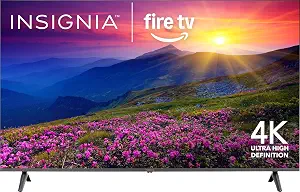
Insignia 65″ Class F50 Series LED 4K UHD Smart Fire TV
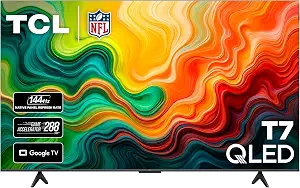
TCL 65 Inch T7 Series 4K 144Hz QLED Smart Google TV, 65T7
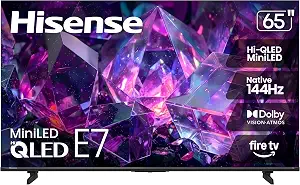
Hisense 65″ E7 Cinema Series Hi-QLED Mini-LED 4K UHD Smart Fire TV (65E7SF)
Best 65 Tv Buying Guide — Black Friday Deals 2026
A 65-inch television is a substantial purchase, so the right shortlist starts with the viewing priorities that matter to you: motion handling, HDR formats, display technology, smart-TV platform, and connection needs. These three options cover different combinations rather than one universal answer. For Black Friday, compare the exact model and configuration shown in an offer with the specifications you want; a sale label alone does not establish that a television suits your setup. Treat the recommendations as editorial ways to organize this selection, not as claims about market-wide performance or a particular promotion.
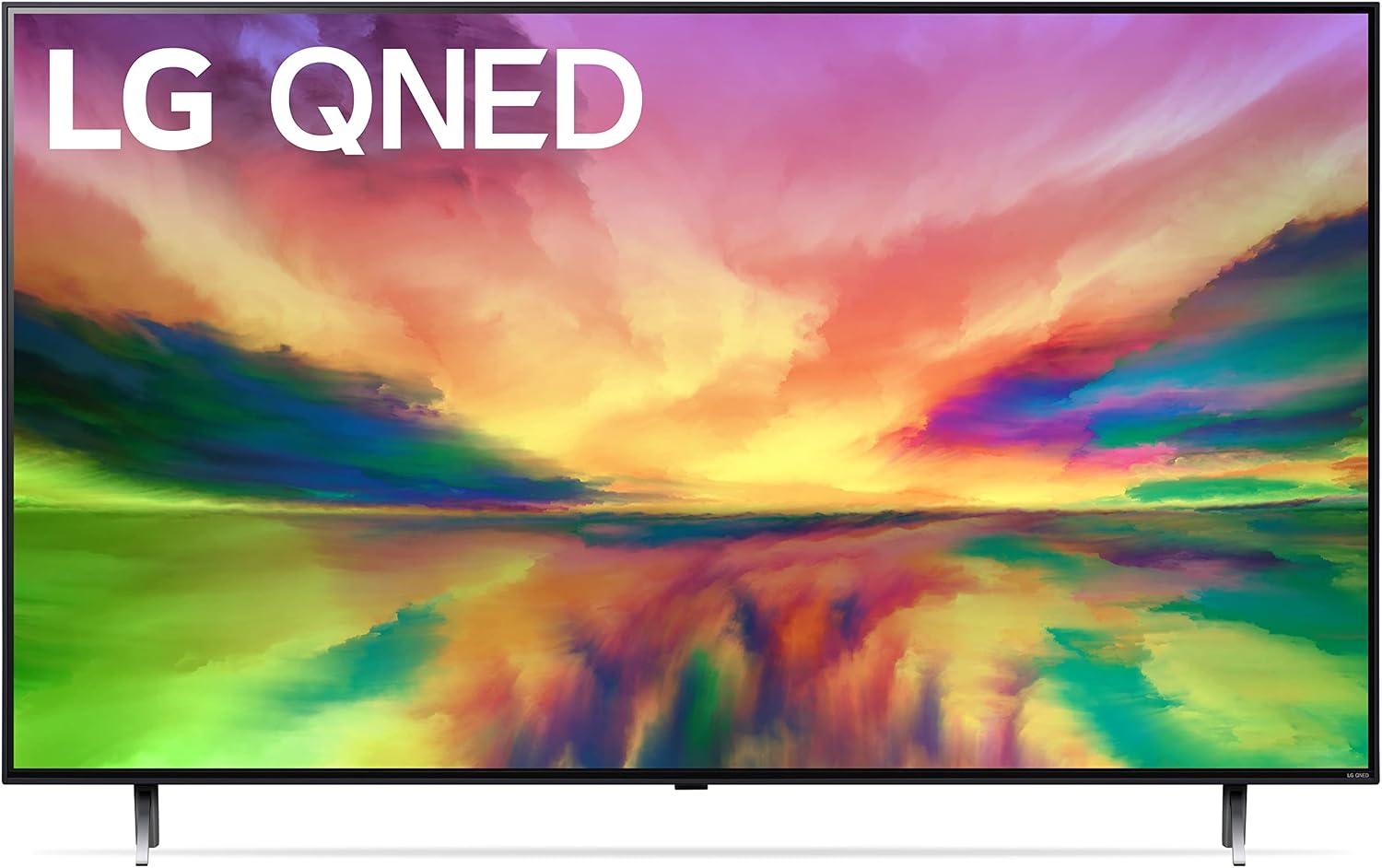
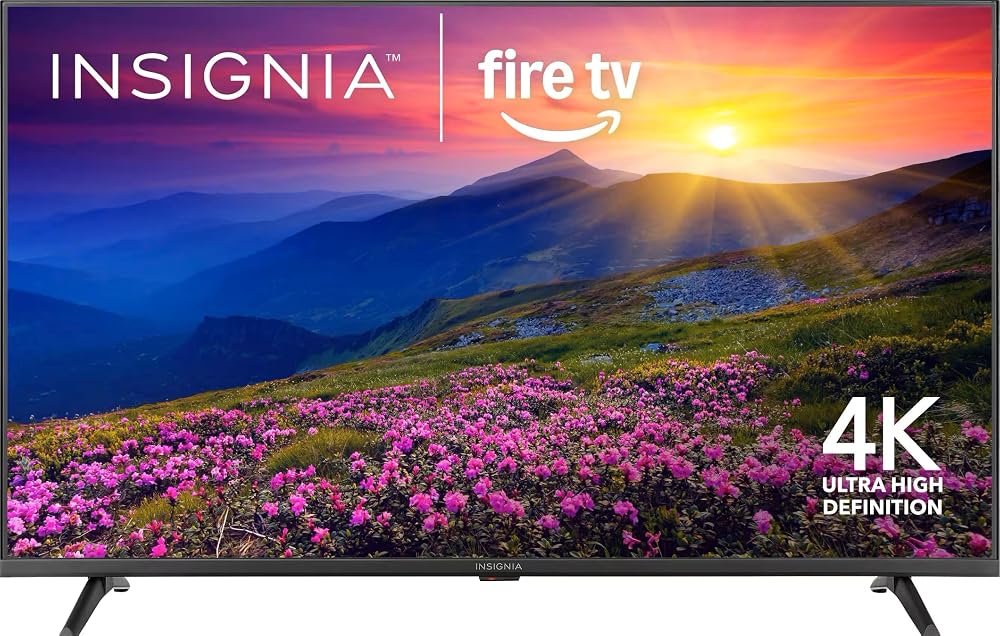
Insignia 65″ Class F50 Series LED 4K UHD Smart Fire TV
Check Price on Amazon
The Insignia F50 is the Best Budget selection in this guide, an editorial label rather than a promise that it will be the least expensive option or that a specific Black Friday discount applies. Its listed essentials are straightforward: a 65-inch screen, 4K resolution, a 60-hertz refresh rate, and HDR10 support. The Direct LED backlight and Fire TV designation add useful details for shoppers comparing display and smart-TV preferences. If you want a 65-inch 4K television and are narrowing choices by a simpler listed feature set, this model merits a place on your comparison list.
Its refresh-rate figure and HDR format are clearly specified, which helps set expectations when you compare it with televisions that list different figures or additional HDR formats. That is a specification comparison, not a claim about how one will look in your home. Fire TV is part of the product name, while DTS Virtual-X is the listed audio feature. Consider those details alongside how you plan to use the television, rather than assuming a platform or audio label answers every question about your setup. Black Friday can make several listings look similar at a glance, so read the exact model name and confirm that the offer is for the F50 Series television described here.
The three HDMI ports provide a concrete number to compare with your planned connections. If you expect to attach several devices, write down what you use and decide whether this port count fits your arrangement. For wall mounting, the listed VESA pattern is 400 × 300; match that exact pattern against the mount details before ordering. Check the offer’s current terms and the exact configuration on the product page, rather than inferring a discount or feature from a general sale banner. This Insignia is a sensible budget-category contender when its specified 4K, HDR10, Fire TV, and connection details meet your needs. Its Best Budget label helps organize the shortlist, but your final choice should depend on the offer and setup you actually have.
Key specs
| Screen size | 65 inches |
| Resolution | 4K |
| Refresh rate | 60 hertz |
| HDR format | HDR10 |
| Backlight | Direct LED |
| Audio | DTS Virtual-X |
| HDMI ports | 3 HDMI ports |
| Wall mount pattern | VESA pattern 400 × 300 |
TCL 65 Inch T7 Series 4K 144Hz QLED Smart Google TV, 65T7
Check Price on Amazon
The TCL T7 is the Best Overall pick in this guide because its listed features bring together a 4K QLED display, a 144-hertz refresh rate, a broad set of HDR formats, and Google TV. That combination gives shoppers several distinct points to weigh in one 65-inch option. The label is an editorial choice among the televisions here, not a measured claim that it will be the right fit for every household. During Black Friday, use it as a starting point for checking whether the exact offer is for this T7 model and whether its listed feature mix matches your priorities.
The refresh-rate figure may be especially relevant if motion is high on your checklist, while the HDR list gives you formats to compare with the content sources you use. The supported formats listed are Dolby Vision, HDR10, HDR10+, HLG, and Open HDR. Those names describe format support; they do not, by themselves, establish how any particular program will look. Google TV is the named operating system, so shoppers who have a preference for a smart-TV environment can include that in their decision. Bluetooth and Wi-Fi are also listed as wireless technologies, useful details to consider alongside the devices and connections you expect to use.
Four HDMI ports give you a specific connection count to compare against the equipment you may want connected. Before choosing, make a simple inventory of those devices and check whether the port total works for your arrangement. The listed VESA mount specification is 400 x 300 mm, so confirm that the mount you plan to use matches the television’s pattern. For Black Friday, compare the listing’s model name and specifications carefully rather than assuming similar-looking T7 offers share the same configuration. This is a strong shortlist candidate when you want its combination of refresh rate, HDR support, and Google TV; it is less compelling as a choice if those particular features are not priorities for you.
Key specs
| Screen size | 65 inches |
| Resolution | 4K |
| Refresh rate | 144 hertz |
| HDR formats | Dolby Vision, HDR10, HDR10+, HLG, Open HDR |
| Operating system | Google TV |
| HDMI ports | 4 |
| Wireless technology | Bluetooth, Wi-Fi |
| VESA mount | 400 x 300 mm |
Hisense 65″ E7 Cinema Series Hi-QLED Mini-LED 4K UHD Smart Fire TV (65E7SF)
Check Price on Amazon
The Hisense E7 Cinema Series earns the Best for Mini-LED label here because Mini-LED is an explicitly listed display technology. The label is a way to identify a particular feature focus in this guide, not a claim of measured picture superiority. This 65-inch television is listed as 4K, with a 144-hertz refresh rate and FireOS. Its HDR formats include Dolby Vision, Dolby Vision IQ, HDR 10+, HDR10, and HDR10+ Adaptive. That mix gives shoppers several format names to check against the content sources they care about, while the Mini-LED designation gives the display-technology comparison a clear starting point.
For Black Friday, look beyond a broad product-family name and verify that the offer identifies the 65E7SF configuration you intend to buy. The supplied specifications describe this model as a Smart Fire TV with FireOS, so shoppers can consider that platform alongside the display and HDR details. The refresh-rate figure may matter to people who are actively comparing motion-related specifications, but it should be considered in the context of the content and devices they use. Likewise, a list of supported HDR formats is useful for matching format preferences, not a guarantee about the appearance of every source.
Four HDMI ports are listed, giving you a straightforward number to set against the devices you plan to connect. The provided facts do not specify a VESA mount pattern, so check the product listing or product documentation directly if wall mounting is part of your plan. Avoid assuming a mount detail based on another television or a related product name. This model is worth considering when Mini-LED, its 144-hertz specification, FireOS, or its listed HDR formats are central to your decision. During Black Friday, compare the exact offer and configuration with those priorities, and treat the Best for Mini-LED label as a helpful guidepost rather than a guarantee that it is the right television for every viewer.
Key specs
| Screen size | 65 inches |
| Resolution | 4K |
| Display technology | Mini-LED |
| Refresh rate | 144 hertz |
| HDR formats | Dolby Vision, Dolby Vision IQ, HDR 10+, HDR10, HDR10+ Adaptive |
| HDMI ports | Total Number of HDMI Ports 4 |
| Operating system | FireOS |
Begin with the viewing habits you want the set to serve
Before comparing Black Friday listings, describe the job you expect the television to do. Is your priority a particular smart-TV platform, a stated refresh-rate figure, HDR-format support, or a display technology named in the specifications? A short list helps keep the choice tied to your actual preferences instead of whichever sale label is most prominent. For example, someone who cares most about Google TV can put that platform detail near the top of the comparison; someone focused on Mini-LED can begin with the Hisense’s named display technology. These are different decision paths, not interchangeable measures of quality.
Think, too, about the sources you watch and the equipment you intend to connect. You do not need to predict every future use; simply note the content formats and devices that matter now. Then compare those needs with the specifications supplied for each exact model. A higher number or a longer format list does not automatically settle the choice if those features are not useful to you. Black Friday browsing can move quickly, but a brief priority list makes it easier to pause, verify the model, and decide whether the offer addresses a real need rather than creating one.
Treat Black Friday pricing as one part of the comparison
A Black Friday banner is a prompt to inspect an offer, not proof that it is the right value for you. Start by confirming the product name and model shown on the listing. Then make sure the specifications you care about match the television described in this guide. Similar product-family names can make a quick comparison confusing, so use the exact model identifier where it is provided. Do not assume a deal includes a feature or configuration merely because another listing in the same category mentions it.
Next, read the current offer details on the retailer’s page and compare them with your shortlist. This guide does not establish a sale price, a discount, or the terms of any particular offer. Your task is to judge the specific listing in front of you: does it identify the model you want, and does its current offer make sense for your budget and priorities? If a listing leaves a detail unclear, verify it before purchasing. The aim is not to chase every Black Friday promotion; it is to find an exact television and offer that fit the decision you have already made.
Match the refresh-rate specification to the sources you use
The listed refresh rates distinguish these choices on paper: the Insignia is specified at 60 hertz, while the TCL and Hisense are each specified at 144 hertz. Use that information as one comparison point, not as a standalone verdict. Consider what you watch or play and whether refresh rate is important to your own selection. The supplied facts do not describe particular viewing results, so they cannot establish how much difference you would notice in a given room or with a given source.
When reading Black Friday product pages, confirm that the stated figure belongs to the exact model in the offer. Keep the rest of the feature set in view as well: the TCL and Hisense also list different HDR formats and operating systems, while the Insignia lists its own combination of HDR10 and Fire TV. It may be helpful to rank your priorities rather than treating every specification as equally important. If refresh rate is not a deciding factor for you, a different listed feature may better guide the choice. If it is, make sure your intended sources and devices are part of the decision.
Use HDR and display labels to narrow, not to predict
HDR names and display-technology terms are useful for identifying what a product lists, but they should not be stretched into a promise about picture quality. The Insignia lists HDR10. The TCL lists Dolby Vision, HDR10, HDR10+, HLG, and Open HDR. The Hisense lists Dolby Vision, Dolby Vision IQ, HDR 10+, HDR10, and HDR10+ Adaptive, as well as Mini-LED display technology. Compare those details with the formats and features that matter to you, and check the exact spelling and model details on the offer page.
During Black Friday, resist deciding from a single label alone. Ask whether a listed format is relevant to the content you expect to use, and whether the named display technology is one of your priorities. The facts here do not establish brightness, contrast, viewing angles, or performance in different lighting, so avoid assuming those outcomes from a format or backlight label. A focused question is more useful: which of the specified features do I actually want, and does the exact television in this offer list it? That keeps the comparison factual while leaving room to make a personal choice.
Plan connections, platform, and mounting before checkout
Connection planning can prevent a mismatch after you choose a television. The Insignia lists three HDMI ports; the TCL and Hisense each list four. Count the devices you expect to connect and decide whether the stated port total fits your arrangement. The TCL also lists Bluetooth and Wi-Fi as wireless technologies. Do not infer additional connection details from a product name; check the exact listing if a particular connection is essential to your setup.
Platform can be another practical filter: Google TV is listed for the TCL, and FireOS is listed for the Hisense; the Insignia is named as a Smart Fire TV. Choose based on the environment you prefer, and verify any specific app or service requirement directly rather than assuming it from the platform name. For a wall-mounted television, the Insignia’s listed VESA pattern is 400 × 300 and the TCL’s mount specification is 400 x 300 mm. The supplied facts do not give a mount pattern for the Hisense, so look it up if needed. Before a Black Friday purchase, verify the exact offer, connection details, and mounting information that apply to your chosen model.
Make your Black Friday choice
The best 65-inch choice depends on which listed features matter most in your home, not on a sale label or a single specification in isolation. The TCL is the guide’s Best Overall pick, the Insignia is its Best Budget selection, and the Hisense is the Best for Mini-LED option; each label is an editorial aid, not a universal verdict. For Black Friday, verify the exact model and offer, then check the platform, formats, ports, and mounting details that affect your plans. A careful comparison turns a crowded shortlist into a decision grounded in your own priorities.